
Table of Contents
ToggleWhat is Influencer Marketing in 2026?
Learn what is influencer marketing in 2026 with Digiverze, a trusted digital marketing agency in Ahmedabad. Influencer marketing today is about brands collaborating with people who have built genuine trust and loyal followings on social media. These influencers create content that showcases products or services in a way that feels real, relatable, and not overly promotional.
Think about it-when someone you trust recommends a restaurant or product, you’re far more likely to try it. That simple psychology explains why influencer marketing is important in 2026. Audiences trust creators more than ads, and that trust directly influences buying decisions.
So, what is influencer marketing in 2026 from a practical business point of view? It’s no longer about buying exposure or chasing big numbers. From our experience at Digiverze, successful campaigns focus on the right influencer marketing strategy for small business-choosing creators whose audience truly matches the brand. A local bakery working with a food blogger can see walk-ins within days, while an online fashion brand can sell out products within hours.
For those just starting out, there are plenty of effective influencer marketing content ideas for beginners, such as honest product reviews, unboxing videos, behind-the-scenes content, and first-use reactions. These formats feel natural and help build instant credibility.
At the same time, brands must avoid common influencer marketing mistakes beginners make, like focusing only on follower count, unclear collaboration goals, or overly scripted content. In 2026, influencer marketing works best when it’s relationship-driven, authentic, and value-focused.
Types of Influencers
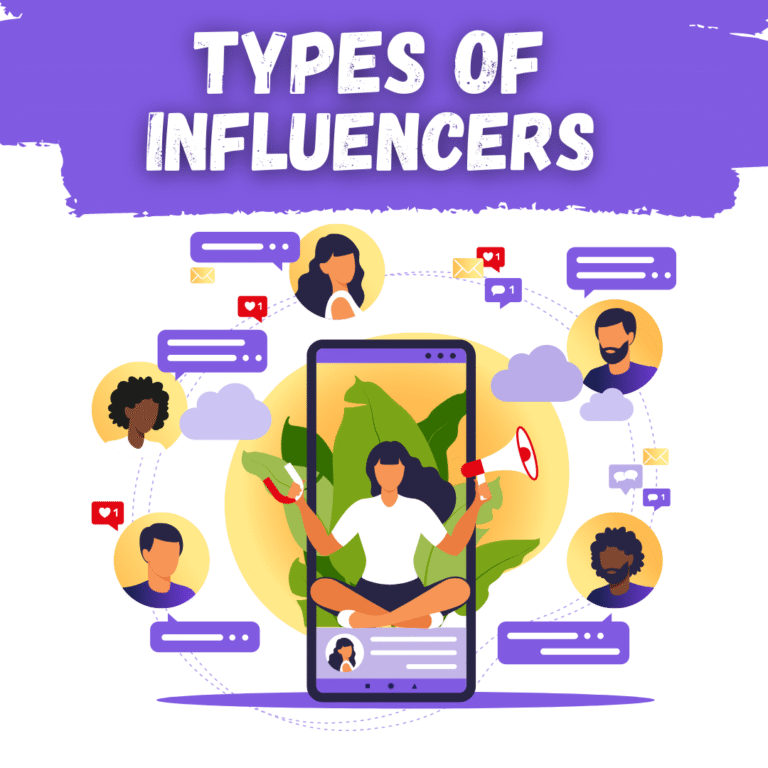
Not all influencers are created equal, and understanding the different types helps you pick the right partners for your budget and goals.
Nano-influencers: have 1,000 to 10,000 followers. These are regular people who’ve built small communities around things they love. A fitness enthusiast sharing workouts with 5,000 people might get better engagement than someone with 100,000 followers. Why? Because they actually know their audience. They respond to comments, have real conversations, and their recommendations feel personal. Plus, they’re affordable for businesses just starting out.
Micro-influencers: sit between 10,000 and 100,000 followers. They’ve become go-to experts in specific areas—beauty tutorials, tech reviews, parenting tips, sustainable living. Their followers trust them because they’ve consistently delivered value over time. Digiverze recommends micro-influencers to most clients because they hit that sweet spot of reach, engagement, and reasonable costs.
Mid-tier influencers: have 100,000 to 500,000 followers. These are full-time content creators who know how to run professional campaigns. They produce quality content and have experience with brand partnerships. They cost more, but you’re getting someone who understands how to make partnerships work.
Macro-influencers: range from 500,000 to 1 million followers. They’re well-known in their industries and can spread your message far and wide. The trade-off? Their engagement rates usually drop because it’s harder to maintain personal connections at that scale.
Mega-influencers and celebrities: have over 1 million followers. They’re household names with massive reach but premium price tags. Most small businesses won’t need to think about this tier when starting out.
There’s also the platform angle. YouTube creators excel at detailed reviews and tutorials. Instagram influencers nail visual storytelling. TikTok stars create snackable, entertaining content that can blow up fast. LinkedIn influencers reach professionals and B2B audiences.
Why Is Influencer Marketing Important for Brands and Small Businesses Today?
People have become extremely good at ignoring ads. They skip commercials, block banner ads, and scroll past sponsored posts without a second thought. This is exactly why influencer marketing is important today-because while people ignore ads, they still listen to creators they genuinely follow and trust. With the right influencer marketing strategy for small business, brands can increase both ROI and visibility without relying on traditional advertising.
Studies show that nearly 61% of people trust influencer recommendations, while only 38% trust brand-created content. That trust gap matters when you’re trying to win new customers in a crowded market. For small businesses competing against big brands with massive ad budgets, influencer marketing levels the playing field. You don’t need a Super Bowl-sized budget-just the right creators and a smart approach.
Influencer marketing works because influencers have already done the hard part: building and engaging an audience. When they introduce your brand, you’re borrowing their credibility. It’s like a warm recommendation instead of a cold pitch. This is especially effective when paired with simple influencer marketing content ideas for beginners, such as real product usage videos, honest reviews, behind-the-scenes stories, or first-time reactions that feel natural and relatable.
Social proof plays a huge role in buying decisions today. Seeing real people use your product reduces hesitation and builds confidence far better than a polished ad ever could. Influencer content shows your product in real life—and that authenticity drives action.
Digiverze worked with a sustainable fashion brand that partnered with three eco-conscious creators. Within just two months, the brand saw a 340% increase in online sales-proof that a focused influencer marketing strategy for small business delivers real, measurable results.
There’s also a long-term benefit of SEO services. When influencers mention and link to your website, search engines take notice, helping improve rankings and drive consistent organic traffic over time.
How Does Influencer Marketing Work?
Now when you are clear about what is influencer marketing. The process is pretty straightforward, though doing it well takes some planning.
Start by figuring out what you want to achieve. Launching a new product? Building awareness? Driving sales during a promotion? Your goal shapes everything else-which influencers to contact, what content to request, how to measure success.
Next comes finding the right influencers. You’re looking for creators whose audience matches your target customers, whose style fits your brand, and whose values align with yours. Tools help, but so does manual research. Spend time watching their content, reading comments, and checking if engagement looks genuine.
Reach out professionally. Your message should introduce your brand, explain why you want to work with them specifically, and outline what you’re offering. Make it personal-copy-paste messages get ignored fast.
Negotiate terms and get everything in writing. Discuss payment (cash, free products, commissions, or a mix), content requirements, posting schedules, and usage rights. A simple agreement protects everyone and prevents misunderstandings.
We provide influencer marketing content ideas for beginners so that they can do best during content creation. They know their audience better than you do. Give them key points and product info, then trust them to present it authentically. Overly scripted content flops because people can smell fake from a mile away.
Monitor performance after posts go live. Track your metrics, engage with comments, and stay connected with the influencer and their audience.
Finally, analyze what happened. Did you hit your goals? What worked? What would you change next time? Digiverze always emphasizes this step because learning from each campaign makes the next one better.
Advantages of Influencer Marketing for Beginners and Growing Brands
Starting with influencer marketing offers some real benefits that make it perfect for businesses without tons of marketing experience or big budgets.
- It’s cost-effective: Working with nano or micro-influencers often costs less than running paid social ads for a week, yet can deliver better engagement and sales.
- You reach the right people: If you sell organic skincare, partnering with wellness influencers puts you in front of health-conscious shoppers already looking for solutions you offer. No wasted spend on people who’ll never buy.
- You get authentic content included: Professional photos and videos are expensive. Influencers create high-quality content as part of the deal. With the right agreement, you can reuse this content across your own marketing channels.
- You can move fast: Unlike traditional campaigns that take months to plan, you can launch an influencer campaign in weeks. This flexibility helps when you need to jump on trends or respond to competitors.
- Relationships grow over time: Successful partnerships often turn into long-term collaborations. These ongoing relationships create consistency and deepen the connection between the influencer’s audience and your brand.
- You learn constantly: Working with influencers teaches you about content strategy, audience engagement, and what actually resonates with customers. These insights improve all your marketing efforts.
Influencer Marketing Strategy for Small Business
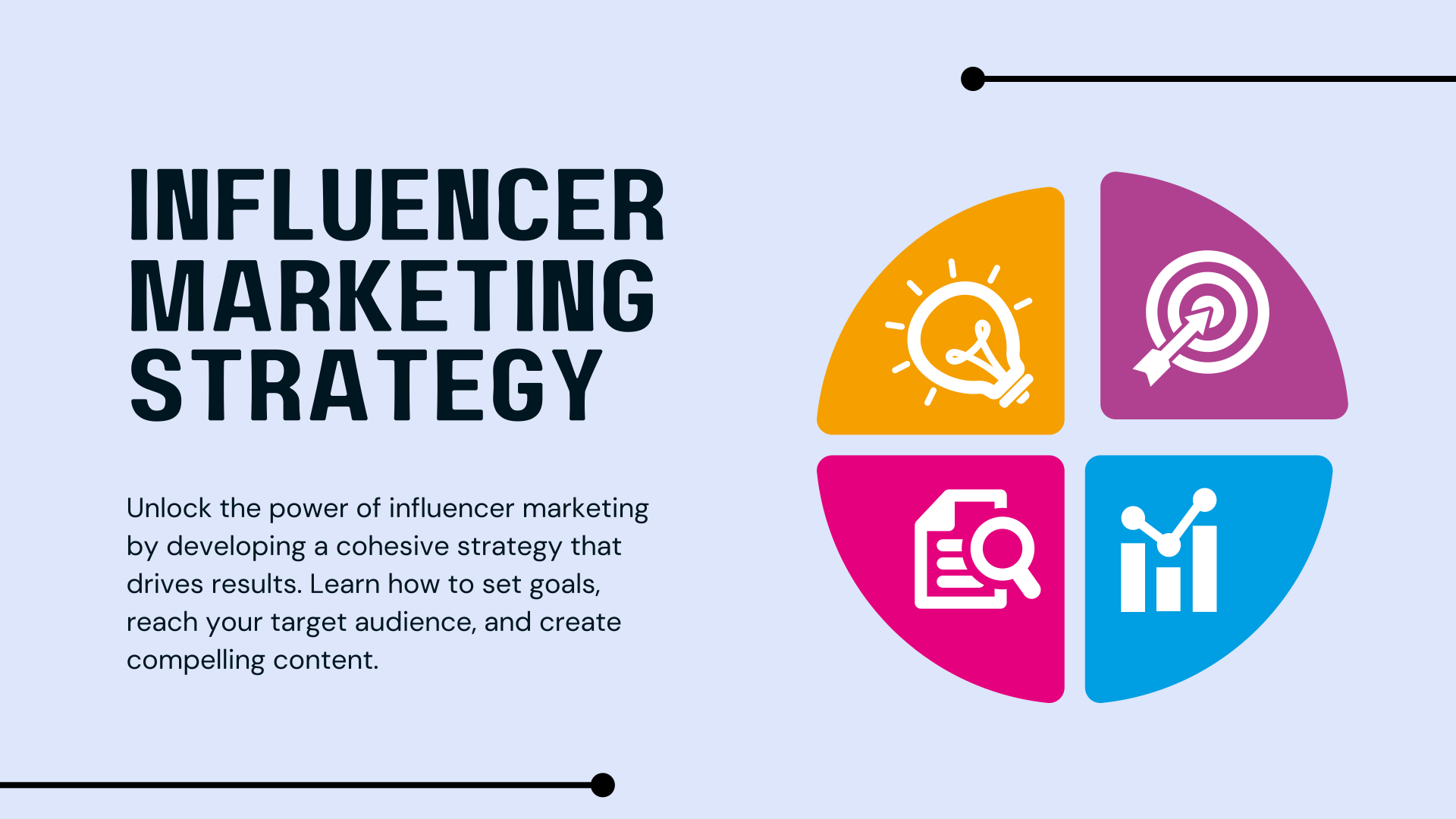
Defining influencer marketing strategy for small business which doesn’t need to be complicated, but it does need thought and planning.
- Define specific goals: “Increase brand awareness” is too vague. Try “Gain 5,000 new Instagram followers and get 200 website visits from influencer content in 60 days.” Specific targets keep you focused.
- Set your budget: Figure out what you can spend on influencer fees, product samples, shipping, and maybe tools. Even $500 monthly can work with 2-3 nano-influencers or one micro-influencer.
- Know your audience: Create detailed profiles of ideal customers—their age, location, interests, problems, and online habits. This guides who you’ll partner with.
- Pick your platforms: Instagram works great for visual products. YouTube suits items needing demonstration. TikTok reaches younger crowds with fun, quick content. LinkedIn targets business audiences. Start with one or two platforms where your customers hang out most.
- Plan content types: Will influencers post reviews, tutorials, unboxing videos, or lifestyle shots with your product? Different content serves different purposes. Mix them for better results.
- Map your timeline: Set deadlines for research, outreach, negotiations, content creation, posting, and analysis. Build in buffer time because delays happen.
- Choose your metrics: What numbers show success? Follower growth, engagement rate, website traffic, sales, or all of these? Pick metrics that match your goals and make sure you can track them.
How to Find the Right Influencers for Your Brand
Finding influencers and right influencer marketing content ideas for beginners that genuinely fits your brand.
- Check your own followers first: You might discover micro or nano-influencers who already love your brand. These existing fans create the most authentic content because their enthusiasm is real.
- Search relevant hashtags: Look at both broad tags like #sustainablefashion and specific ones like #ethicalclothingbrands. See who consistently creates quality content.
- Study your competitors: Notice who they partner with and how those collaborations perform based on engagement. This isn’t about copying-it helps you understand what works in your space.
- Try influencer platforms: Services like AspireIQ or Upfluence have databases with detailed analytics. They let you filter by niche, location, and audience demographics. Many offer free trials.
- Google still works: Search “top beauty influencers” or “best parenting bloggers” to find lists and articles featuring relevant creators.
- Evaluate carefully before reaching out: Review several months of content to check consistency in quality and values. Look at engagement rates-comments and shares matter more than likes. Read comment sections to gauge how followers actually feel. Real influencers have genuine conversations, not just promotional posts and spam.
- Verify alignment: Does their content style match your brand? Do their values reflect your mission? Would your product fit naturally into their existing content? The best partnerships feel organic, not forced.
We have influencer marketing content ideas for beginners clients which prioritize engagement over follower count. An influencer with 15,000 engaged followers beats someone with 150,000 disengaged ones every time. Look for engagement rates above 3% as a starting benchmark
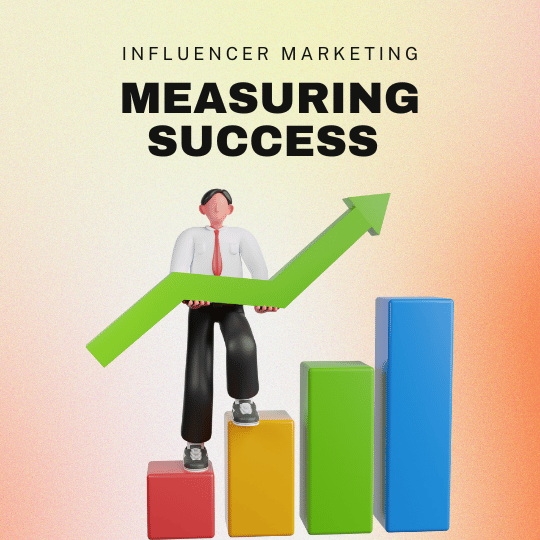
Measuring Your Influencer Marketing Success
You need to track the right numbers to know if campaigns actually work.
Reach and impressions show how many people saw the content. Reach counts unique viewers; impressions count total views including repeats. These indicate visibility but don’t measure actual impact.
Engagement rate reveals how audiences interact through likes, comments, shares, and saves. Calculate it by dividing total engagement by follower count. Higher engagement means content resonated and sparked interest.
Website traffic from campaigns shows interest beyond social media. Use UTM parameters in links to track visitors from specific influencers. Monitor not just how many people visit, but what they do-pages viewed, time on site, bounce rate.
Conversions measure desired actions like purchases, email signups, or downloads. Give influencers unique discount codes or affiliate links to attribute conversions directly.
ROI calculations determine if campaigns are profitable. Divide revenue generated by campaign costs, then multiply by 100. If you spent $1,000 and made $5,000 in sales, your ROI is 400%.
Follower growth on your own accounts indicates successful audience transfer. When partnerships drive new followers to your brand’s social pages, you’re building your own community.
Sentiment analysis assesses how people feel about your brand. Read comments on influencer posts and your channels to gauge perception.
We provides clients with dashboards tracking all these metrics in one place, making it easy to see performance and make informed decisions about future campaigns.
Common Influencer Marketing Mistakes Beginners Make
These are the common influencer marketing mistakes beginners make. Learning from others’ mistakes saves you time, money, and headaches.
Choosing based only on follower count leads to disappointment. Big audiences don’t automatically mean real influence. Someone might have bought fake followers or just lost their audience’s interest. Always check engagement quality.
Not setting clear expectations creates confusion. When you don’t specify what you want, when you want it, and how you’ll use it, things go wrong. Create detailed briefs while still allowing creative freedom.
Micromanaging content frustrates influencers and produces fake-looking results. You hired them for their expertise. Give them guidelines and key messages, then let them work.
Ignoring disclosure rules risks legal trouble. The FTC requires influencers to clearly label paid partnerships with tags like #ad or #sponsored. Make sure your partners understand this.
Treating it like a transaction instead of a relationship rarely works well. Engage with their content, communicate well, show appreciation, and think long-term. One-off deals don’t produce the best results.
Expecting instant miracles causes people to give up too soon. Some campaigns drive quick sales, but many build awareness gradually that compounds into major long-term benefits. Be patient and consistent.
Not tracking results means you can’t learn or improve. Use tracking links, unique discount codes, and analytics tools. Without data, you’re just guessing.
Chasing celebrities while overlooking smaller creators wastes opportunities. Nano and micro-influencers often deliver better ROI for small businesses because their audiences trust them more and costs stay manageable.
Getting Started With Your First Campaign
Taking action feels intimidating when you’re new to this, but starting doesn’t require perfection. Begin with a small pilot campaign. Partner with one or two nano-influencers for a test run. This minimizes risk while teaching you valuable lessons about what works for your brand.
Research thoroughly before reaching out. Understand their content, audience, and past partnerships. Personalize your message by mentioning specific posts you enjoyed and why partnership makes sense. Create a simple campaign brief covering your product, brand story, goals, content expectations, timeline, and compensation. Keep it clear and concise. Get terms in writing. Even simple campaigns benefit from basic agreements covering deliverables, payment, content rights, and disclosure requirements.
Support your partners with great products, clear information, and quick responses. Answer questions promptly but don’t micromanage. Share their content on your channels to maximize reach. This cross-promotion benefits everyone. Analyze results honestly afterward. What worked? What would you change? Use these lessons to improve next time. Digiverze offers the best social media marketing services in Ahmedabad. Our team helps with strategy, finding influencers, outreach, and analysis to make sure your first efforts succeed.
Influencer Marketing: Bringing It All Together
Influencer marketing gives small businesses a realistic way to build awareness, connect with target audiences, and drive measurable results without massive budgets or marketing expertise. Success comes from choosing the right partners, setting clear goals, allowing creative freedom, and building real relationships instead of treating collaborations like transactions.
Results don’t happen overnight, but consistent effort with the right partners creates momentum that builds over time. Start small, learn from each campaign, and scale up as you gain confidence. The brands winning with influencer marketing aren’t spending the most-they’re being most intentional about partnerships and most authentic in their approach.
Remember, this isn’t about finding someone to advertise your products. It’s about connecting with trusted voices who can genuinely introduce your brand to people who need what you offer.
Ready to Launch Your Influencer Marketing Campaign?
Digiverze specializes in helping small businesses navigate influencer marketing successfully. Our team handles everything from strategy and finding influencers to managing campaigns and analyzing performance, so you can focus on running your business.
Whether you’re launching your first campaign or improving existing efforts, we’re here to help. Contact Digiverze today for a free consultation where we’ll discuss your goals, budget, and vision, then create a customized strategy designed for your business.
Visit our website to explore influencer marketing services, read client case studies, and schedule your consultation. Subscribe to our newsletter for monthly tips, insights, and best practices.
Don’t spend another month watching competitors connect with your target audience. Start your influencer marketing journey today with Digiverze as your partner.
Frequently Asked Question
Yes, influencer marketing is very good for beginners because it does not require a big budget to start. Beginners can work with small creators who already have a loyal audience. These influencers feel more relatable, which helps build trust faster than ads. Even product-based collaborations or commission deals can bring results, making influencer marketing a safe starting point for new businesses.
No, you do not need a big budget to start influencer marketing. Many beginners start with zero or very little money by offering free products, discounts, or affiliate commissions. Nano and micro influencers are often open to such collaborations. What matters more than budget is choosing the right influencer whose audience matches your brand.
Influencers get paid in different ways depending on the agreement. Some are paid a fixed amount per post or video, while others work on commission through affiliate links or discount codes. In some cases, influencers accept free products instead of money. Beginners usually start with product exchanges or performance-based payments to reduce risk.
You can spot real influencers by checking their engagement, not just follower count. Look at comments—real influencers get meaningful replies, questions, and conversations. If comments are only emojis or generic words, it may be fake engagement. Also check follower growth and past brand collaborations. Authentic influencers grow steadily and promote products that fit their niche.
As a beginner, it is better to start with 2 to 5 influencers instead of working with many at once. This allows you to test what type of content and creators work best for your brand. Starting small helps you manage campaigns easily, track results properly, and avoid wasting money on influencers that do not perform well.
Influencer marketing can definitely bring sales, not just likes, but it takes time. Likes and comments usually come first, followed by website visits and then sales. When influencers have genuine trust with their audience, their recommendations influence buying decisions. Long-term collaborations and repeated exposure usually lead to better sales results than one-time posts.
Before working with an influencer, you should ask about their audience demographics, engagement rate, past brand collaborations, content format, and pricing. You should also confirm posting timelines, usage rights, and disclosure guidelines. Asking these questions upfront helps avoid confusion later and ensures both sides have clear expectations from the collaboration.