
Difference between PPC and SEO is one of the most common questions small business owners struggle with today. If you’re running a small business, you’ve probably had someone tell you that you need to “do SEO” or “run Google ads.” Maybe you’ve tried ppc marketing for small businesses or invested in seo services for small businesses and didn’t fully understand where your money was going. Or maybe you’re sitting there right now wondering which option actually fits your goals and budget.
I get it-this stuff is confusing. Everyone has an opinion. One person swears Facebook ads are the answer. Another insists organic traffic is the only sustainable path. Your cousin’s friend’s brother claims he made a fortune overnight with PPC. Meanwhile, you’re just trying to figure out the best marketing strategy for small businesses without burning cash.
I’ve been doing this for years at Digiverze, and I’ve seen businesses win with both approaches. I’ve also seen plenty of money wasted because the strategy didn’t match the business stage or expectations. That’s why the real question isn’t just ppc vs seo which is better, but which one makes sense for you right now.
So let’s break down PPC and SEO in a way that actually reflects what works in the real world-based on real results, real budgets, and real small businesses, not marketing hype.
Table of Contents
ToggleIntroduction to PPC vs SEO: Which Delivers Better ROI for Small Businesses?
Here’s the thing nobody tells you upfront-there’s no simple answer to ppc vs seo which is better. I wish there were. It would make my job easier and save you a lot of headaches.
Some businesses absolutely crush it with paid ads. Others grow steadily through organic search. Plenty of successful brands use both-and use them well. What works for your neighbor’s business might be completely wrong for yours, which is why chasing a one-size-fits-all best marketing strategy for small businesses rarely works.
What actually matters is understanding how each option works, what it will cost you in real terms, how long you’ll wait for results, and which approach fits where your business stands today. A landscaping company in Pune has very different needs than an online jewelry brand. A new startup needs different tactics than a business that’s been operating for ten years.
At Digiverze, we hear this question constantly. Some clients come to us after burning through ₹2 lakhs on ads that brought in maybe three customers. Others have been creating content for eight months and are frustrated because rankings still haven’t moved. This guide is everything I wish every small business owner understood before spending their first rupee on marketing.
What Is PPC?
Difference between PPC and SEO becomes very clear once you understand how paid advertising actually works. PPC stands for Pay-Per-Click—you literally pay every time someone clicks your ad. Pretty straightforward, right?
Google Ads is usually where businesses start with ppc marketing for small businesses. Your brand appears right at the top of search results with a small “Ad” label next to it. This is a core tactic used by agencies offering performance marketing services in Ahmedabad, especially when businesses need fast, high-intent traffic.
Here’s how it works in simple terms: you choose keywords related to what you sell. Let’s say you run a gym in Bangalore. You might target searches like “gym near Koramangala” or “personal training Bangalore.”
When someone types those keywords into Google, an instant auction happens behind the scenes with other advertisers targeting the same terms. If your bid and ad quality win, your ad gets shown. When someone clicks, you pay the cost-maybe ₹15, maybe ₹300-depending on how competitive the keyword is.
The biggest advantage of PPC is speed. You can launch a campaign after lunch and start getting website visitors by dinner. That kind of instant visibility is a major reason many small businesses rely on ppc marketing for small businesses when running promotions, offers, or new launches.
But there’s a downside. The moment your budget runs out or you pause the campaign, your traffic drops to zero. This is one of the key points in the difference between PPC and SEO. As long as you pay, you’re visible. Stop paying, and you disappear.
PPC isn’t limited to Google either. Facebook Ads, Instagram Ads, and LinkedIn Ads all follow the same basic principle. You’re paying to place your business in front of the right audience. Each platform has its own strengths, but the model stays the same-you pay for attention and clicks.
What Is SEO?
The difference between PPC and SEO becomes clear once you understand how SEO actually works. SEO stands for Search Engine Optimization. Unlike PPC, where you pay for every click, SEO focuses on ranking your website naturally in search results. When someone searches for something related to your business and your site appears in the regular listings-not the ads-that’s SEO doing exactly what it’s meant to do.
SEO is about improving your website in ways Google genuinely values. This includes publishing content that answers real user questions, earning backlinks from credible websites, and making sure your site loads fast and works smoothly on mobile devices. This is the core of reliable seo services for small businesses, and it’s why brands that invest in long-term growth—like those choosing top SEO services in Ahmedabad-prioritize SEO over quick wins.
There isn’t just one ranking factor either. Google looks at hundreds of signals, including content quality, user experience, site performance, authority, and consistency. All of these work together to decide who ranks higher and who doesn’t, which is why SEO often becomes the best marketing strategy for small businesses focused on sustainability.
Now, let’s be honest about timing. SEO is slow-sometimes painfully slow. You won’t hit page one for competitive keywords in two weeks, and even two months can be optimistic. Real SEO usually takes three to six months before meaningful results appear, especially if you’re competing with established brands.
But here’s why SEO becomes addictive once it works: the traffic is essentially free. Someone searches, finds your site, clicks-and you didn’t pay a single rupee for that visit. Multiply that by hundreds or thousands of searches every month, and the value compounds quickly.
We’ve seen this firsthand at Digiverze. Clients have grown from barely 100 monthly visitors to over 8,000 through organic search alone. No paid ads. No cost per click. Just consistent, well-executed SEO-backed by trusted tools like Ahrefs and SEMrush for keyword research, backlink analysis, and performance tracking-that keeps delivering long after the work is done. That’s when SEO stops being a tactic and becomes a true long-term business asset.
Difference Between PPC and SEO
Let me break down what is actually the difference between PPC and SEO in ways that matter when you’re trying to run a business.
How Fast You Get Results
PPC is instant. Set up a campaign over breakfast, see clicks by lunch. SEO? You’re looking at months. Three to six months minimum before you see anything significant, and that’s if everything goes well. Competitive niches can take even longer.
What It Costs You
PPC costs never stop. Every single click costs you money. You know exactly what you’re spending each month, which is nice for budgeting. But stop paying and everything stops. SEO costs money upfront-paying someone to write content, fix your website, build links. But once you rank, those visitors don’t cost you per click anymore. Your cost per visitor drops dramatically over time.
How Long It Lasts
Turn off your PPC campaign and your traffic is gone by tomorrow. Rank well in SEO and that can last for years. I’ve got blog posts I wrote three years ago that still bring in traffic every single month without me touching them.
Competition and What You’ll Actually Pay
PPC is an auction. You’re constantly bidding against competitors. Popular keywords in competitive spaces can cost insane amounts-Rs 300, Rs 600, sometimes over Rs 1000 per click. SEO is competitive too, don’t get me wrong. But there’s no auction. Once you rank, you rank. No per-click cost.
Trust Factor
People trust organic results more than ads. Studies prove this. Tons of users literally scroll right past all the ads to click organic results. Ranking organically makes people think Google trusts your site, which makes them trust you.
How Much Control You Have
PPC gives you crazy control. Target specific zip codes. Run ads only from 9am to 5pm. Target people by age, interests, income. Adjust your budget daily. SEO? You’ve got way less control. You can’t force Google to rank you higher. You optimize everything perfectly and then hope Google agrees with you.
Click Rates
Top organic spots usually get more clicks than even the top ad spots. People have trained themselves to ignore ads. The organic results get the bulk of attention in most industries.
Understanding these differences is huge. This is always the first conversation we have before recommending anything. Because the right choice really depends on your specific situation.
PPC vs SEO: Which Is Better for Small Businesses in Terms of ROI
Okay, here’s the million rupee question- ppc vs seo which is better relative to what you spend?
The real answer? It depends on your timeline and what you can afford to spend right now. Let me walk through both scenarios based on what I’ve actually seen work.
When PPC Makes More Sense
PPC is usually the right move when you need results yesterday. Launching a new product next Tuesday? You can’t sit around waiting six months for SEO to maybe work. You need traffic now. PPC gives you that.
PPC also works great when your customers are worth a lot. If you’re selling B2B software where one client might be worth Rs 10 lakhs over their lifetime, you can afford to pay Rs 8,000 for a click that converts. The math still works out beautifully.
Service businesses dealing with emergencies-think plumbers, AC repair, towing-often crush it with PPC. When someone’s AC dies in July, they’re clicking the first ad they see. They need help right now.
E-commerce stores running sales or seasonal campaigns benefit from PPC too. You can turn campaigns on during Diwali, turn them off after, scale based on what you’ve got in stock.
When SEO Makes More Sense
For most small businesses I work with, SEO delivers better ROI when you look at a full year. Here’s the math that nobody talks about.
Say you spend Rs 60,000 total building your SEO over six months. By month seven, you’re getting 3,000 organic visitors monthly. By month twelve, that’s up to 7,000 visitors. Those visitors aren’t costing you Rs 30 or Rs 80 per click like they would in PPC-they’re essentially free now.
Local businesses especially benefit. A restaurant, barbershop, yoga studio, dentist-if you rank well for local searches, you can stay booked without spending thousands on ads every month.
Content-based businesses like online courses, blogs, or educational sites almost always do better with SEO because they need consistent organic traffic, not just one-time buyers.
What Actually Happens with Real Small Businesses
Most small businesses we work with see better long-term ROI from SEO. The math is pretty simple. Spending Rs 50,000 on SEO over six months might generate 5,000 free visitors per month ongoing. That same Rs 50,000 in PPC might buy you 1,500 clicks total, and then the traffic stops.
PPC can keep you alive while SEO is building. Lots of smart businesses use both, just at different times for different reasons.
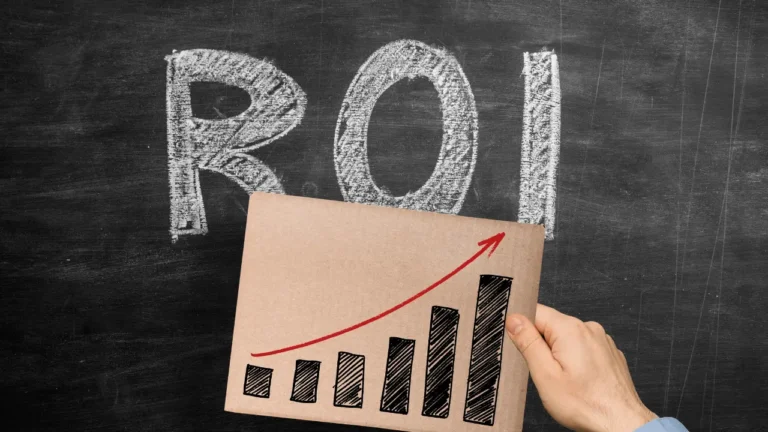
Is SEO Worth It for Small Businesses Looking for Sustainable Growth?
SEO is basically the only marketing channel that gets more valuable as time passes instead of less valuable—and this perfectly highlights the difference between PPC and SEO. With most advertising, you pay, you get a result, and then you have to pay again for the next result. With SEO, you invest once through the right seo services for small businesses, and that investment continues to pay you back again and again through consistent, compounding organic traffic.
Think about it like this. You write a really solid guide about “how to choose running shoes for flat feet.” You optimize it properly. It ranks on Google’s first page. Now every single month, hundreds of people searching for exactly that information find your guide. They read it. Some buy from you. That guide works for you 24/7, month after month, without costing you another rupee.
I’ve seen this play out dozens of times at Digiverze. One client in the home decor space published room design guides about two years back. Those guides still generate 40% of their website traffic and bring in sales every week. They’ve made back what they spent on SEO probably 200 times over by now.
For small businesses with tight budgets, SEO makes even more sense. You can’t outspend Tata or Amazon in PPC auctions. But you absolutely can outwork them in SEO by creating genuinely better content, giving more value, and building real authority in your specific niche.
SEO also builds actual business assets. Your website gets stronger. Your brand becomes known. These assets have value beyond traffic-they make everything else you do in marketing work better.
The catch is patience. If you’re desperate for customers next week, SEO by itself won’t save you. But if you’re thinking about where you want your business to be next year or two years from now, investing in SEO is probably the smartest thing you can do.
Is PPC Advertising Profitable for Small Businesses with Limited Budgets?
This is where it gets real tricky-and where the difference between PPC and SEO really shows up for small businesses. PPC absolutely can work, but only if you’re smart with it and realistic about what a limited budget can actually deliver.
Here’s the reality nobody talks about. If you’ve got ₹15,000 per month for ads and clicks in your industry cost ₹150, you’re getting 100 clicks. Sounds decent, right? But if only 2% of those visitors convert, that’s just two customers a month. This is why ppc marketing for small businesses needs careful planning, strong landing pages, and clear expectations-otherwise the numbers simply don’t add up.
Depending on what you sell, that return might make sense—or it might turn into a costly mistake.
Whether PPC is profitable comes down to three numbers: what you pay per click, what percentage of clicks turn into sales, and what each customer is worth to you. If clicks cost Rs 40, you convert 5% of visitors, and each customer spends Rs 3000, the math works great. You’re spending Rs 800 to get a customer worth Rs 3000.
But if you’re in a competitive space where clicks cost Rs 250, you only convert 1%, and your average sale is Rs 1200, you’re bleeding money. You’re losing money on every single sale.
Small businesses with limited budgets have to be extra careful with PPC. Here’s what that means practically:
Focus on really specific, less competitive keywords where your small budget can actually compete. Going after “buy furniture online” with Rs 20,000 per month won’t work. Going after “reclaimed wood coffee tables Jaipur” might work perfectly.
If you’re local, target only your area. Local PPC is often way cheaper because fewer businesses are competing for those searches.
Test absolutely everything. You can’t afford to waste clicks on ads or landing pages that don’t work. Every element needs to perform.
Know your numbers inside and out. Track everything obsessively. Know exactly what it costs you to get a customer and whether that customer is profitable.
We’ve definitely helped small businesses run profitable PPC on modest budgets, but it takes constant work and realistic expectations. PPC isn’t a vending machine where you put money in and customers come out. It’s a skill that takes time to learn.
Best Marketing Strategy for Small Businesses: SEO, PPC, or Both?
After working with tons of small businesses, here’s what I’ve learned about what actually works in different situations.
Start with SEO if you can afford to be patient and want long-term growth. Most small businesses benefit way more from building solid SEO first. It takes longer to show results, but those results keep compounding and cost way less per visitor long-term. If you can invest Rs 40,000 to Rs 70,000 over six months in content, technical fixes, and link building, you’ll probably see excellent returns by the end of year one.
Use PPC for immediate needs and testing. Launching something new? Running a promotion? Need to test if there’s actually demand for a product before investing in SEO? PPC makes total sense. Small, focused campaigns can give you quick data and quick revenue while your SEO builds up.
Combine both for fastest growth. The businesses that grow quickest use PPC and SEO together strategically. PPC gets immediate visibility while SEO is being built. Once SEO starts delivering, they reduce PPC spending or shift it elsewhere. The two support each other-PPC data tells you which keywords to target in SEO, and strong organic rankings make your PPC more effective because you own more real estate on the search page.
We worked with a small business selling organic skincare products. They had Rs 60,000 monthly budget. We split it-Rs 25,000 on PPC targeting their top products for immediate sales, Rs 35,000 on SEO building category pages and educational content about skincare ingredients and routines.
PPC brought sales from day one and kept cash flowing while we built out the SEO. By month four, organic traffic started climbing noticeably. By month seven, organic traffic was bringing more sales than the ads. We cut PPC to Rs 12,000 monthly and pumped the savings into more content, which grew organic traffic even more.
That approach works for most small businesses-use PPC tactically while you build SEO for the long haul.

Conclusion: Choosing the Right PPC vs SEO Marketing Strategy for Your Business
So what’s the verdict-PPC or SEO? Honestly, neither one is always better. They’re just different tools for different jobs.
PPC is fast but temporary. SEO is slow but lasting. PPC gives you control and predictability. SEO gives you compounding returns and drastically lower costs over time. PPC works for testing and urgent needs. SEO works for building something sustainable.
For most small businesses working with limited budgets, SEO should be your foundation. Start there. Invest in creating genuinely helpful content, getting your technical stuff right, and earning quality backlinks. The ROI over 12 to 24 months will probably beat spending that same money purely on ads.
But don’t completely ignore PPC. Use it strategically when you need quick wins, want to test markets or products, or have time-sensitive opportunities. A small, well-managed PPC budget can work beautifully alongside your SEO.
We help small businesses figure out the right mix based on their goals, budget, and timeline. We’ve seen what works and what flops across all kinds of industries. If you’re still not sure which direction makes sense for you, talk to our team. We’ll look at your specific situation and give you honest advice about where your budget will get the best results.
Stop wasting time wondering if you should do PPC or SEO. Get clear on your strategy, commit to it, and start building the visibility your business deserves with the top digital marketing services in Ahmedabad.
Frequently Asked Question
For small businesses, SEO is usually cheaper in the long run, while PPC costs more upfront. PPC requires daily spending to stay visible, whereas SEO needs time and consistent effort before results appear. Once SEO rankings improve, traffic continues without paying for every click. Many businesses use PPC early for quick leads and rely on SEO later to reduce overall marketing costs.
Yes, many small businesses get consistent leads from SEO, especially local and service-based businesses. When a website ranks for relevant search terms, it attracts people who are already looking for those services. These visitors often have higher intent compared to random ad clicks. SEO works best when content answers real customer questions and the website builds trust over time.
PPC can work with a low budget, but only if campaigns are tightly focused. Small businesses should target specific keywords, limited locations, and clear services instead of broad terms. Platforms like Google Ads allow budget control, but poor targeting can drain money quickly. PPC with a small budget works best for testing, not large-scale growth.
When you stop running PPC ads, traffic from ads stops almost immediately. Your website no longer appears in paid search results, and leads from that channel drop. This is why PPC is considered short-term. Unlike SEO, PPC does not build lasting visibility. Many businesses combine PPC with SEO so they don’t lose all traffic when ads are paused.
SEO takes time because search engines evaluate trust, relevance, and consistency before ranking a website. New content and changes are tested gradually. Competition, website quality, and industry difficulty also affect speed. While SEO feels slow at first, the results are more stable. Once rankings improve, traffic can continue for months or years without ongoing ad spending
SEO is usually better for local small businesses because it helps them appear in local search results over time. Local SEO builds visibility for nearby customers searching for services. PPC can support short-term promotions or urgent needs, but relying only on ads can become expensive. Many local businesses see the best results when SEO builds the base and PPC supports peak demand.
Most startups begin with PPC because it provides quick visibility and helps test which keywords convert. SEO is better added alongside or after initial traction is achieved. PPC helps understand customer behaviour, while SEO builds long-term growth. Startups with limited cash flow often use PPC carefully at first, then shift focus toward SEO to reduce dependency on ads.